
Cognition and nootropics
Creatine's cognitive results are real, small, and mostly about sleep debt
A 2026 trial found a single dose reduced cognitive deterioration during sleep deprivation. That is a narrower and more interesting finding than the coverage suggested.
Creatine spent thirty years as the best-evidenced supplement in sport and has recently been repositioned as a cognitive product. The brain research is genuine. It is also more specific than the marketing has become.
The short version
- A 2026 trial in Nutrients gave 29 healthy subjects a single 0.2 g/kg dose of creatine monohydrate or placebo during 21 hours of sleep deprivation.
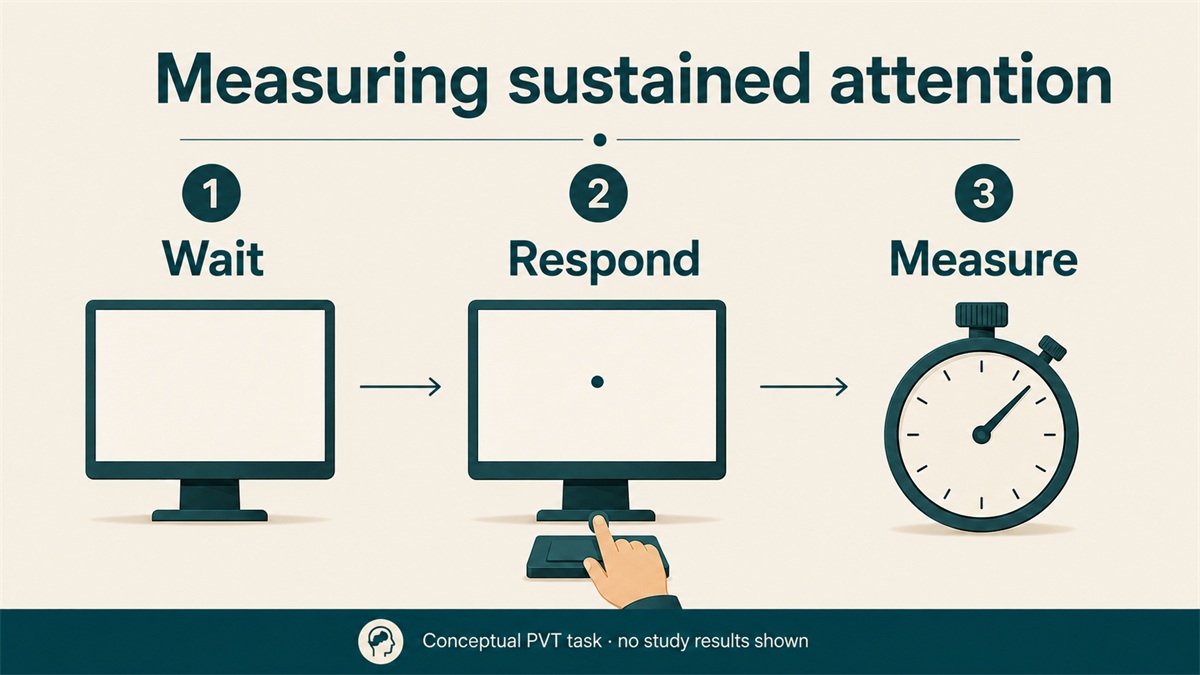
- It reported reduced deterioration in logical and numerical tasks, language-related processing speed, and the Psychomotor Vigilance Test.
- An earlier study by the same group used a higher single dose of 0.35 g/kg and found changes in brain metabolism alongside cognitive effects.
- The consistent context is stress: sleep deprivation, high cognitive load, or low dietary intake. In rested, well-fed people the effects are much less clear.
What the trial did
Twenty-nine healthy participants completed cognitive testing at an evening baseline and again at three, five and a half, and seven and a half hours after receiving either a single dose of creatine monohydrate at 0.2 grams per kilogram of body weight or placebo, across a total of 21 hours of sleep deprivation.
The design followed earlier work from the same group using a higher single dose of 0.35 grams per kilogram, which had shown changes in brain metabolism during sleep deprivation alongside reduced cognitive decline. The 2026 study asked whether a lower dose retained the cognitive effect.
What it found, and what that means
The result was a mitigating effect on sleep-deprivation-induced deterioration in logical and numerical tasks, language-related processing speed, and psychomotor vigilance. In plain terms: sleep-deprived people got worse at these tasks, and those given creatine got worse more slowly.
That is a protective effect under stress, not an enhancement at baseline. It is also a single dose in 29 people, which is a small study whatever its design quality. Treat it as a promising signal that fits an existing pattern rather than as settled.
Note also that these are acute single-dose protocols, distinct from the conventional daily loading and maintenance approach used in the muscle literature. The doses are considerably larger than a standard daily serving.
Why the stress context keeps recurring
The mechanistic story is about energy buffering. Creatine phosphate helps regenerate ATP rapidly, and the brain is metabolically demanding. When energy supply is constrained, whether by sleep deprivation, high cognitive load, or low dietary creatine intake, having more buffer plausibly helps.
When someone is rested, well fed, and not under load, that buffer is less likely to be limiting. This is the same pattern seen across the broader cognitive literature, where effects are clearest in vegetarians, older adults, and sleep-deprived people, and least clear in rested omnivorous young adults.
What is not in question
The muscle evidence for creatine monohydrate remains among the strongest for any supplement: increased strength and lean mass alongside resistance training, across a very large number of trials, with a good safety record including in older adults and clinical populations.
So the sensible framing is that this is a well-evidenced muscle supplement with an emerging and context-dependent cognitive story. That is a good position for a product to be in, and it is not the same as a nootropic.
Where the evidence is strong and weak
Strength and lean mass gains alongside resistance training. Large trial base, consistent direction, good tolerability. Monohydrate is the studied form.
Cognitive protection under sleep deprivation and high load. Small trials, acute high single doses, consistent direction but early.
Cognitive enhancement in rested, well-nourished adults at standard daily doses. The evidence does not currently support this framing.
Common questions
Does the daily gym dose give the cognitive effect?
The sleep-deprivation studies used acute single doses far larger than a standard daily serving. Whether routine daily use produces the same protection has not been established.
Which form should I use?
Monohydrate. It is what almost all the research used, it is the cheapest, and alternative forms have not demonstrated superiority.
Is it safe for the kidneys?
In healthy people, a large body of research has not found harm at typical doses. Anyone with existing kidney disease should ask their clinician first.
Sources
- Single-dose creatine reduces sleep deprivation-induced deterioration in cognitive performance (Nutrients, 2026) — https://www.mdpi.com/2072-6643/18/8/1192
- 2026 supplement trends: high-growth categories — https://vitaquest.com/supplement-trends-2026/