
Training for healthspan
Peptide stacks for injury are trending well ahead of their evidence
Physicians surveyed for 2026 flagged these as a category to watch. Watching is not the same as recommending, and the regulatory position is unresolved.
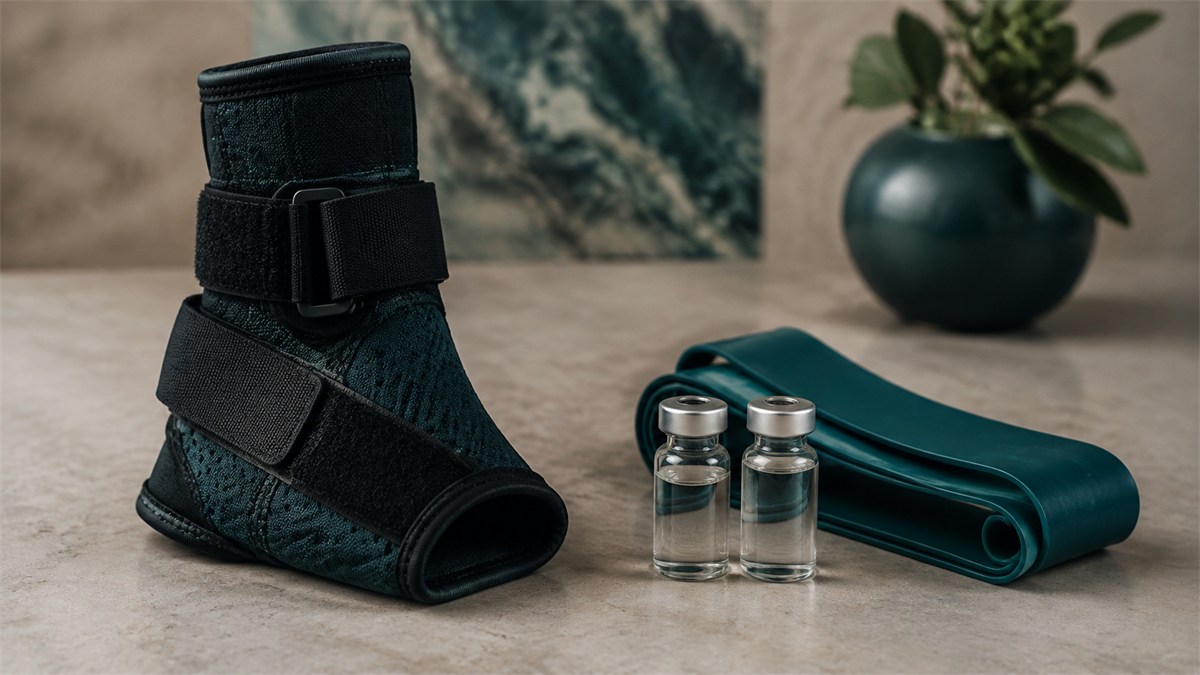
A survey of more than 200 physicians working in functional and preventive medicine identified peptide combinations aimed at tissue repair as a trend to watch heading into 2026. The demand driving it is real. The evidence supporting it is not comparable.
The short version
- The interest is driven by persistent injuries: tendinopathy that will not settle, sprains still painful months later.
- The compounds most discussed are synthetic peptides studied largely in animal wound-healing models.
- Human randomised evidence for the combinations being marketed is minimal.
- Regulatory status is unresolved. Several are not approved for human use and are sold for laboratory research only.
Why demand exists
The clinical reality behind this trend is genuine. Tendinopathy is common, slow to resolve, and frustrating to manage. Conventional care is loading programmes measured in months, and adherence is difficult when progress is invisible.
People in that situation are receptive to anything promising faster repair. That is not credulity, it is a rational response to a problem that current care handles slowly.
What the evidence actually consists of
The peptides in question have been studied predominantly in animal models of wound healing and tissue injury, where results have been encouraging enough to sustain interest for years. Translating animal wound-healing results into human musculoskeletal outcomes is exactly the step that fails most often in pharmacology.
Adequately powered, randomised, placebo-controlled human trials of these compounds for tendon or ligament injury are not available. Without them, reported successes cannot be separated from natural history, since most injuries improve eventually, and from the loading programmes people usually undertake at the same time.
Regulatory and safety position
Several of these compounds are not approved for human use in major jurisdictions. Material is commonly sold labelled for laboratory research only, which means it is not manufactured, tested, or labelled to any standard intended for administration to people. Purity, identity, and sterility are unverified in that supply chain.
This publication reports on the regulatory position and does not provide guidance on obtaining or using compounds that are not approved for human use. Anyone considering something in this category should be discussing it with a physician who knows their history, not with a forum.
What does have evidence for tendinopathy
Progressive loading programmes remain the best-supported management for most tendinopathy, with heavy slow resistance and eccentric protocols both having trial support. They are slow, and they work.
Adequate protein, sleep, and management of contributing factors including training load errors round out the picture. It is an unsatisfying answer to a frustrating problem, and it is currently the accurate one.
Common questions
Are these legal to buy?
The position varies by compound and jurisdiction and is genuinely unresolved for several. Material sold for research use is not manufactured to standards intended for human administration.
Why do physicians mention them if the evidence is thin?
Identifying a trend worth watching is not an endorsement. The survey reported what clinicians are seeing patients ask about, which is a different question from what they recommend.
Sources
- 26 longevity trends that will define 2026 — https://honehealth.com/edge/longevity-trends/
- Stricter oversight of biohacking peptides: 2026 supplement trends — https://vitaquest.com/supplement-trends-2026/