
Training for healthspan
Resistance training is the comparator every supplement is measured against
Free, extensively trialled, and effective in exactly the population most longevity products target. It rarely appears in the comparison.
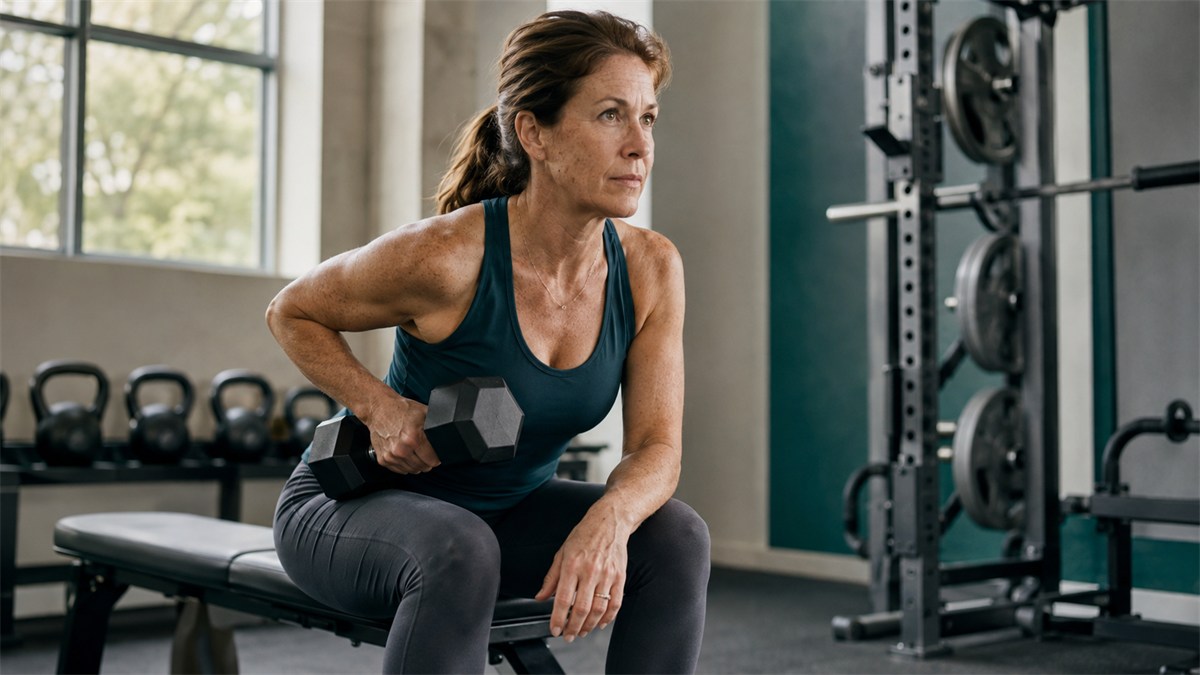
When a supplement trial reports improved muscle endurance in older adults, the obvious question is how that compares to what twelve weeks of lifting would have produced. The comparison is almost never made.
The short version
- Resistance training reliably increases strength and lean mass across age groups, including in people well into their eighties.
- Muscle mass is the largest site of glucose disposal, linking strength work to metabolic health.
- Strength and muscle mass are among the better predictors of maintaining independence in later life.
- Effect sizes are considerably larger than any supplement in this category.
What the evidence supports
The trial base for progressive resistance training is large, old, and consistent. Strength improves, lean mass increases, and this holds in older adults including frail populations. Functional outcomes such as gait speed and chair rise time improve alongside.
This matters for the longevity conversation because loss of muscle mass and strength tracks closely with losing independence, and independence is what most people actually mean when they say healthspan.
The metabolic argument
Skeletal muscle is where most glucose goes after a meal. More muscle, and more insulin-sensitive muscle, means better glucose handling, which connects resistance training to the metabolic markers that dominate consumer health dashboards.
This is also why preserving lean mass during rapid weight loss became a clinical priority, and why protein plus resistance training is the standard recommendation there.
Why it does not dominate the coverage
Nothing can be sold alongside it beyond equipment, and the equipment is unglamorous. It requires sustained effort over months, produces no daily notification, and cannot be attributed to a purchase.
It is also genuinely harder to start than opening a bottle, and that barrier is real rather than a moral failing. But when evaluating whether a compound is worth sixty dollars a month, the honest baseline is what two sessions a week would have delivered instead.
Common questions
How much is enough?
Two sessions a week covering major movement patterns produces most of the available benefit for general health. More helps for performance goals.
Is it safe to start in your seventies?
Trials have demonstrated benefit in much older and frailer populations than most people assume. Sensible progression and, if you have conditions, clinician input first.
Sources
- 26 longevity trends for 2026 — https://honehealth.com/edge/longevity-trends/
- 2026 supplement trends: high-growth categories — https://vitaquest.com/supplement-trends-2026/